travel
여행
Create your experience
Favourite 💖 at least five items from our 100 top amazing things or take a short quiz 📝 to generate a custom Korea 🇰🇷 experience just for you.
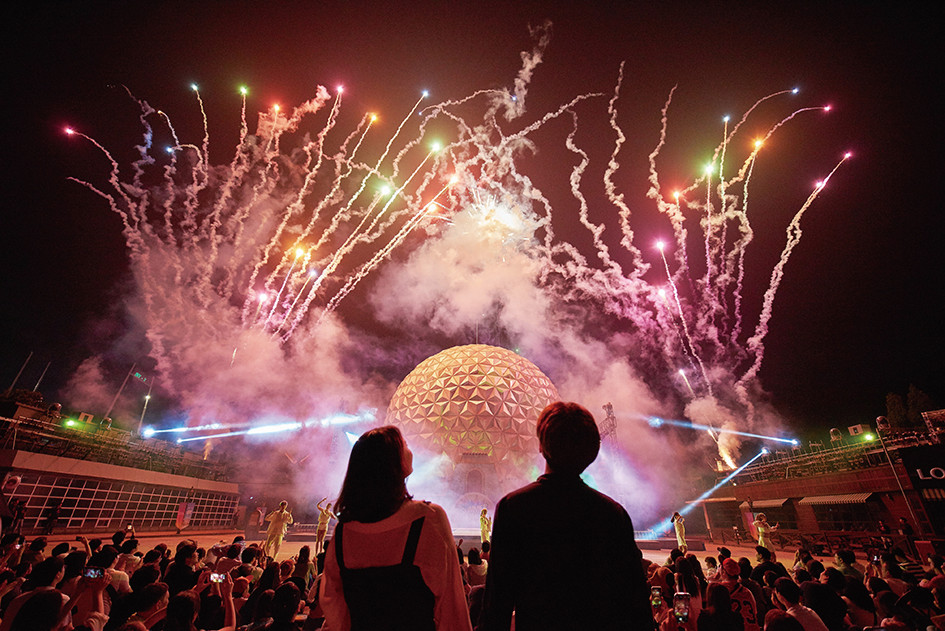
Seoul Land
Seoul Capital Area
Seoul Land has gained popularity as a land of adventures and dreams. Its attractions are organized by themes, such as the World Plaza, Tomorrow Land, Character Town and Adventure Land. There are about 50 rides, all inspired by Korean animation characters. The amusement park runs a sled slope and a fishing spot in winter. At night, Seoul Land turns into Luna Park decorated with splendid lights.
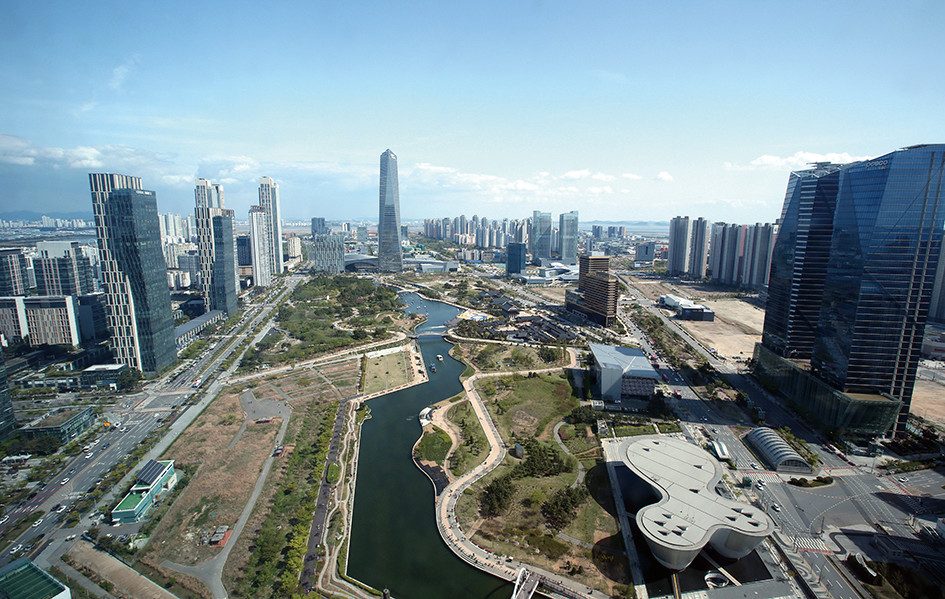
Songdo Central Park
Seoul Capital Area
Songdo Central Park looks quite exotic thanks to Korea’s first seawater canal and green spaces that are surrounded by high-rise buildings. The Trail Garden, the Terrace Garden and the hanok village line the artificial water canal. One can sail along the artificial canal in a water taxi, canoe, or boat. In addition, an observatory in the IFEZ Promotion Center offers an expansive view of Songdo Central Park, Incheondaegyo Bridge and the Songdo International Business District.

Korean Folk Village
Seoul Capital Area
This theme park presents the traditional lifestyle and culture of Korea, in a Joseon-era village formed with restored or relocated houses from throughout Korea. It is made up of a local government office, educational buildings, traditional medicine shop, Buddhist and shamanist temples and a commercial district that includes a souvenir shop and permanent exhibition spaces.

Suwon Hwaseong Fortress
Seoul Capital Area
This planned city, built during the reign of King Jeongjo of Joseon with cutting-edge technology and knowledge of that time, is considered the pinnacle of Korean fortress construction. Suwon Hwaseong Fortress was designated as a Historic Site in 1963, and was inscribed as a UNESCO World Heritage in 1997. The Construction Records of Hwaseong Fortress, which documents the entire construction process of the fortress, made the restoration of Suwon Hwaseong Fortress possible, and it was also inscribed as a UNESCO's Memory of the World.

Baengynyeongdo Island & Daecheongdo Island
Seoul Capital Area
Baengnyeongdo and Daecheongdo Islands are two beautiful islands located in the northernmost area of the West Sea, where oddly shaped rocks and clean waters create magnificent views. Popular tourist destinations are Dumujin Point; Seopungbaji Cliff; Nongyeo Beach; Kongdol Beach; Sand Beach (Natural Air Field) at Sagot Cape; and Simcheonggak Pavilion overlooking Indangsu and Yeonbongbawi Rock which appeared in the ancient Korean novel Simcheongjeon. The islands are surrounded by clear waters, making them ideal fishing spots.
.jpeg)
Goryeo City Wall Tour (Ganghwa Old Town Story Walk)
Seoul Capital Area
This walking tour allows one to get a glimpse into Ganghwado Island’s history, industries and religion. There are several historical sites: Goryeo Palace Site, the only one of its kind remaining; Oegyujanggak Royal Library, which was restored after being burned down by foreign invasion in the modern era; and Ganghwa Anglican Church, the oldest traditional Korean house-style cathedral in Korea. Traces of the textile industry can be found at the Sochang Experience Center, Donggwangjikmul textile factory site and Joyang Bangjik Café.
%2520%2526%2520Seochon%2520Village.jpeg)
The Street in Front of Cheongwadaw (The Blue House) & Seochon Village
Seoul Capital Area
The street in front of Cheongwadae (the Blue House) leads to Cheongwadae Sarangchae, a fountain, Mugunghwa (Rose of Sharon) Hill, Yeonmugwan Hall, Daegogak Pavilion and Yeongbingwan Hall. Thick trees on both sides surround the road, so one can take a walk here while appreciating the beautiful flower beds under the shade of the trees. Seochon Village refers to a village sitting to the west of Gyeongbokgung Palace. Old and new shops and hanok buildings (traditional Korean houses) sit together in harmony.
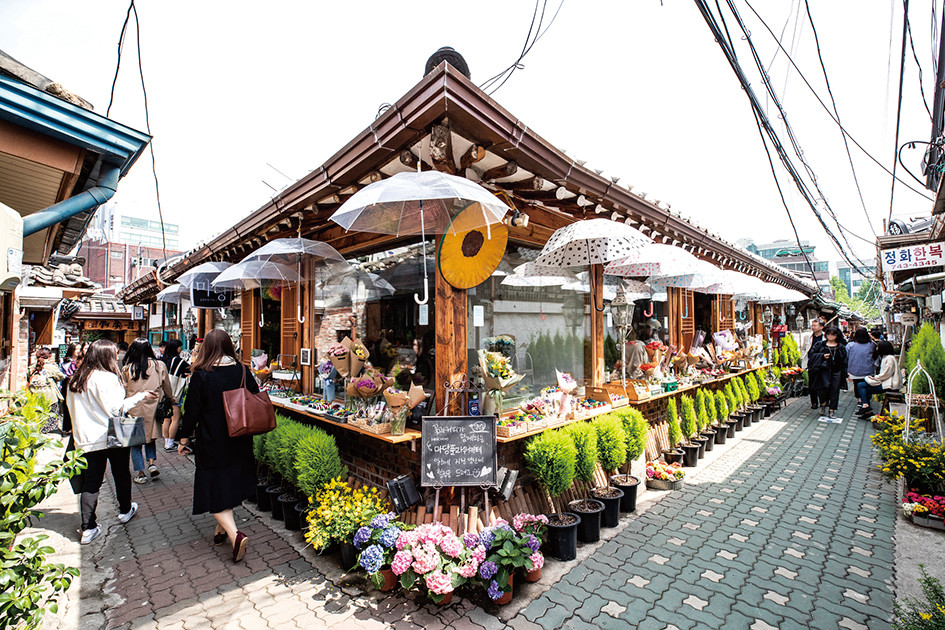
Ikseon-dong
Seoul Capital Area
This urban hanok village was created in 1920s and 1930s as a common people residential complex. Unlike the hanok villages of Bukchon or Seochon, the houses here tend to be smaller and humbler. Today’s Ikseon-dong is a quirky collection of cafes, restaurants and shops, mostly with retro aesthetics, and its popularity spread like a wildfire following the newtro revival among the youths.
.jpeg)
COEX (Starfield)
Seoul Capital Area
COEX is a cultural center housing shops, film theaters, an aquarium, a large bookstore and a library. Starfield Library in particular is a beloved location for photo ops for its two-story, 13-meter-high bookstores. It is designed as an open space of communication through books, and it hosts many literature-themed cultural events.
.jpeg)
Open Port Cultural District & Incheon Chinatown (Songwol-dong Fairy Tale Village)
Seoul Capital Area
In this district, one can see remnants of the modern architecture and culture brought to Incheon when its port opened in the late 19th century. Modern buildings and sculptures built during this period can be found across the area. Plus, unique cafes, workshops, stores and museums can also be found. Incheon Chinatown was created by Chinese immigrants, so their unique history and culture remain here. Songwol-dong Fairy Tale Village near Chinatown is full of unique buildings exuding a fairytale-like ambiance.

N Seoul Tower
Seoul Capital Area
This broadcast and observation tower was opened to the public as Seoul Tower in 1980. Standing at 236.7 metres upon the 243-metre-high Namsan Mountain makes this tower 479.7 metres above sea level in total. The observation deck at the top offers a 360-degree view of Seoul and dining services. Seoul Tower Plaza refers to B1 to P4, while N Seoul Tower refers to the observatory and transmission tower. It was designated as a Seoul Future Heritage in 2018.

Seoul Sky & Lotte World
Seoul Capital Area
Perched from the 117th to the 123rd floors of Lotte World Tower, the tallest building in Korea and the fifth tallest globally, Seoul Sky offers a 360-degree panoramic view of Seoul from 500 metres above ground. The Sky Deck, a 478-metre-high observatory, is registered in the Guinness World Records as the world’s highest glass-floored observatory. Lotte World is a cultural attraction consisting of Lotte World Adventure (indoor theme park), Magic Island (outdoor theme park), a shopping mall and more.
generate
a custom
a custom
Korea
Expereince