travel
여행
Create your experience
Favourite 💖 at least five items from our 100 top amazing things or take a short quiz 📝 to generate a custom Korea 🇰🇷 experience just for you.

Jeju Stone Park
Jeju-do Area
Jeju Stone Park is a comprehensive cultural and ecological park located within Gotjawal in Jungsangan, a mid-mountain region on Jeju Island. The park features different themes, such as Jeju's mythology, stone, folklore and culture. There are attractions such as Jeju Stone Museum, the Obaek Jang-goon Gallery, and the Path to Legend. Visitors can also see Obaek Jang-goon stone statues and a traditional Jeju village with a horse mill and 50 thatched houses, giving a glimpse into what a local village looked like.
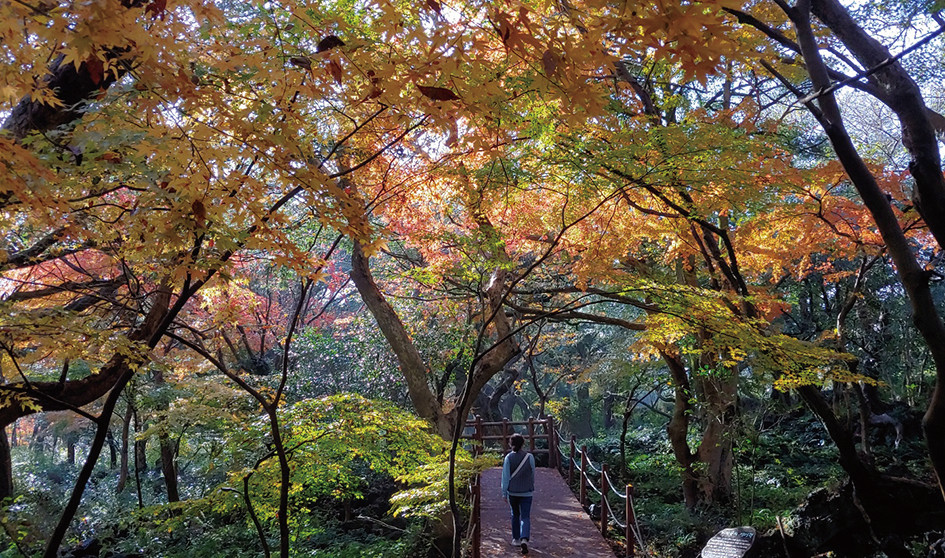
Bijarim Forest
Jeju-do Area
As the world’s oldest nut-bearing Torreya forest with approximately 3,000 trees, Bijarim Forest is a Natural Monument of Korea. The forest is a popular spot to have a relaxing experience because visitors can enjoy forest walking while breathing in the fresh phytoncide in the forest. Various trees and rare orchids can be found here, including maple, silver magnolia, vanda falcata and East Asian thrixspermum. Visitors can also take a comfortable walk along the soft volcanic clay trail.
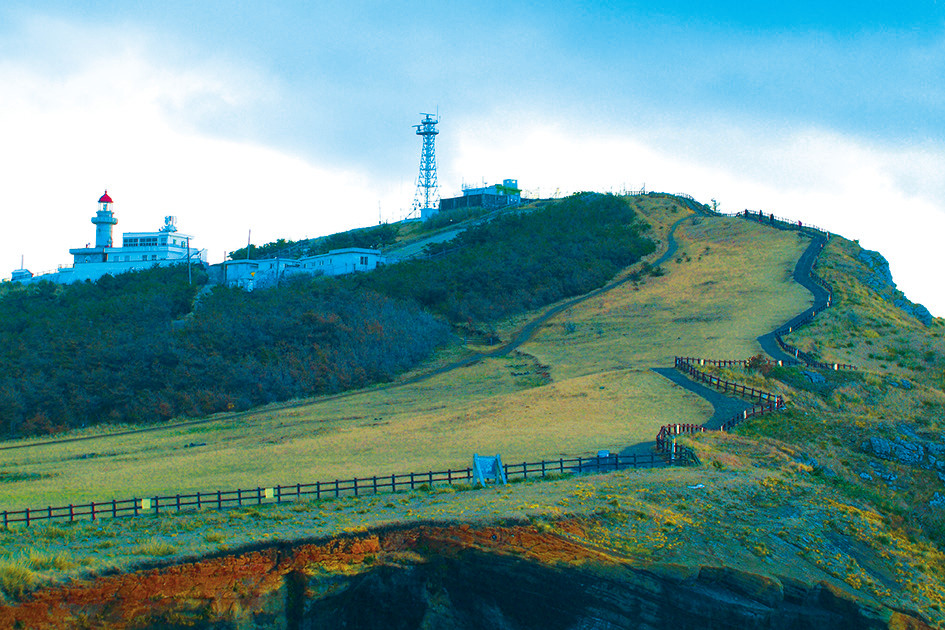
Udo Island
Jeju-do Area
Udo Island ("ox island") was known as Soseom or Sweseom (also meaning "ox island") since the old days because of its shape, which is said to resemble an ox lying down. It is the largest island in Jeju’s 63 subordinate islands. Being a volcanic island, it is blessed with fertile soil, gentle slopes and abundant fishery. It also attracts nearly 2 million visitors each year, who come to the island to see the Eight Sights of Udo and nature.
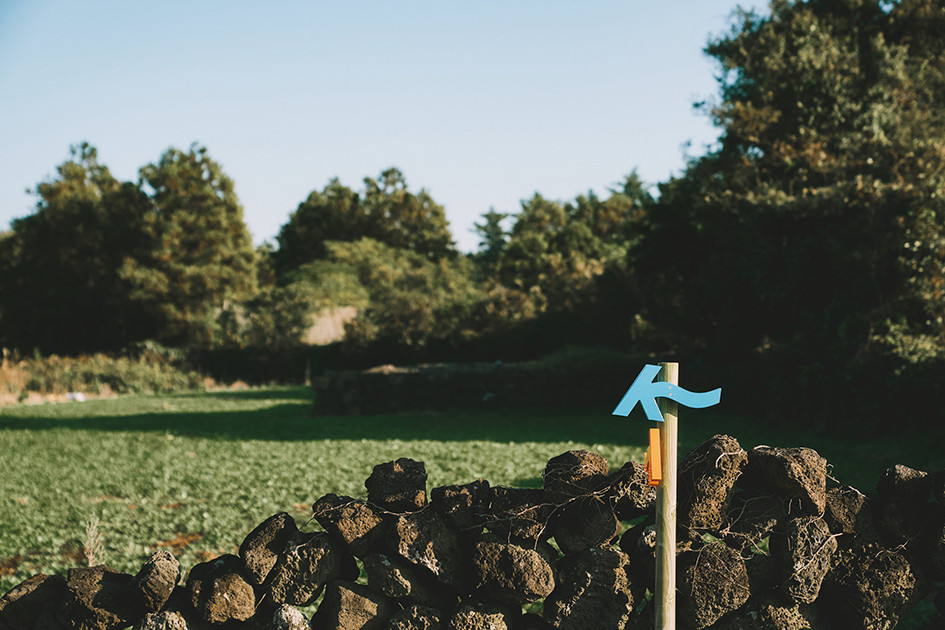
Jeju Olle Trail
Jeju-do Area
Jeju Olle Trail was built for an eco-friendly long-distance walking tour around Jeju Island. The 437 kilometre trail consists of 27 courses connecting the island's villages, major tourist attractions, and natural and cultural resources. One can enjoy the beautiful nature and culture of Jeju Island while walking in every nook and cranny. The Olle Pass App provides useful information about Jeju Island as well as the trail.

Hallasan National Park
Jeju-do Area
Hallasan Mountain is at the southernmost tip of the Korean Peninsula and is the highest mountain in South Korea. Home to over 1,800 alpine plant species, the mountain was designated as a UNESCO Biosphere Reserve, World Heritage site, and Global Geopark because it has all the characteristics of the volcanic Jeju Island. There are seven climbing courses, two of which (Seongpanak and Gwaneumsa courses, reservation required) bring visitors to Baengnokdam Crater Lake.

Seongsan Ilchulbong Tuff Cone
Jeju-do Area
Seongsan Ilchulbong Tuff Cone is a 180 metre high tuff cone (a type of hydro-volcano) created by an underwater explosion about 5,000 years ago. It has a bowl-shaped crater as well as various internal structures along the coastal cliffs, making it a UNESCO World Heritage site and a Global Geopark. Also, the tuff cone is the best sunrise spot on Jeju Island, and visitors can see the sun rising above the horizon of the blue ocean.

Jinjuseong Fortress
Gyeongsang-do Area
Jinjuseong Fortress is where the history and culture of Jinju are kept alive. Chokseongnu Pavilion, Bukjangdae Command Post, and Jinju National Museum are within the fortress. Jinju Battle is one of the three major battles during the Japanese Invasion of Korea. Jinju is also known for Nongae, who drowned herself and a Japanese admiral by grabbing him and jumping off the cliffs into the Namgang River together.

Hwangmaesan County Park
Gyeongsang-do Area
Hwangmaesan County Park’s long period of obscurity allowed this park to retain its valleys, ridges and plains in great condition. From royal azaleas in spring to summer plains, silver grass in fall, and snow-covered winter, the park impresses with a beautiful view of nature. Campers will find a choir of flowers and silver grass waiting for them at Hwangmaesan Auto Campground. From April to October, the park also offers a great view of the night sky. It was designated as a county park in 1983.

Geochang Anti-Aging Healing Land
Gyeongsang-do Area
Geochang Anti-Aging Healing Land is a healing space at the foot of Udusan Mountain (1,046 meters above sea level). It is a "one-stop" healing spot with a forest path full of phytoncide, a native botanical garden next to Gyeonampokpo Falls and accommodation facilities. Plus, the first pier-less Y-shaped suspension bridge in Korea and barrier-free wooden decked roads can be found here.
.jpeg)
Yeojwacheon Stream (Cherry Blossoms)
Gyeongsang-do Area
Yeojwacheon Stream is a popular cherry blossom spot in Jinhae, a city known for cherry blossoms. In April, the cherry blossom trees lining the stream look like a flower tunnel. The wooden deck along the stream is crowded with people from all across the country. In particular, the Romance Bridge, a filming site for the Korean drama "Romance (2002)," is a popular photo spot at all times.

DPIRANG in Tongyeong
Gyeongsang-do Area
DPIRANG in Tongyeong is a digital theme park created in the Nammangsan Sculpture Park, east of Gangguan Port in Tongyeong. As the biggest and longest night-time outdoor facility in Korea, DPIRANG consists of 15 themed zones along a 1.5 kilometer trail. These zones were created with a story, which visitors can enjoy along with the beautiful nightscape.
Danghangpo in Goseong
Gyeongsang-do Area
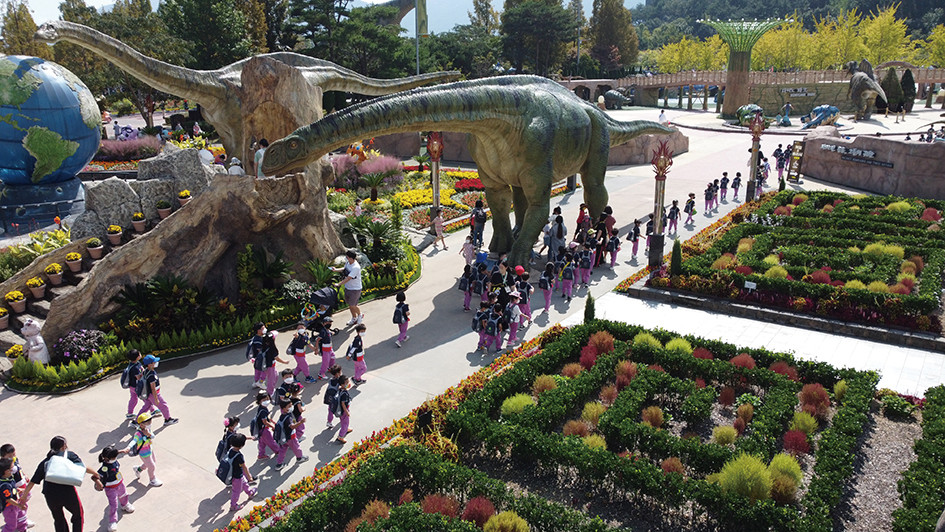
Danghangpo was a battlefield where Admiral Yi Sun-sin was victorious on two accounts during the Japanese Invasion of Korea. The Danghangpo Tourist Area here includes Danghangpo Naval Battle Pavilion, Goseong Natural History Museum, and the Nature Art Park. Visitors can experience various marine leisure sports or stay at a nearby pension house or auto campsite. The area is also the main venue for the Gyeongnam Goseong Dinosaur World Expo, the first natural history expo in Korea.
generate
a custom
a custom
Korea
Expereince